10 Beginner Woodworking Projects Worth Starting With
Ten beginner-friendly woodworking projects, ranked by skill level, with honest notes on tools needed and why each one is worth building first.
Introduction:
The projects that make people quit woodworking are rarely the hard ones — they’re the ones that looked simple but had a hidden step, an odd joint, or a cut list that didn’t match what was actually needed. The ten builds below are the opposite: straightforward geometry, forgiving tolerances, and a materials list you can pick up in one trip.
None of these require a full workshop. A drill, a saw (circular or miter), clamps, and a sander cover almost everything here.
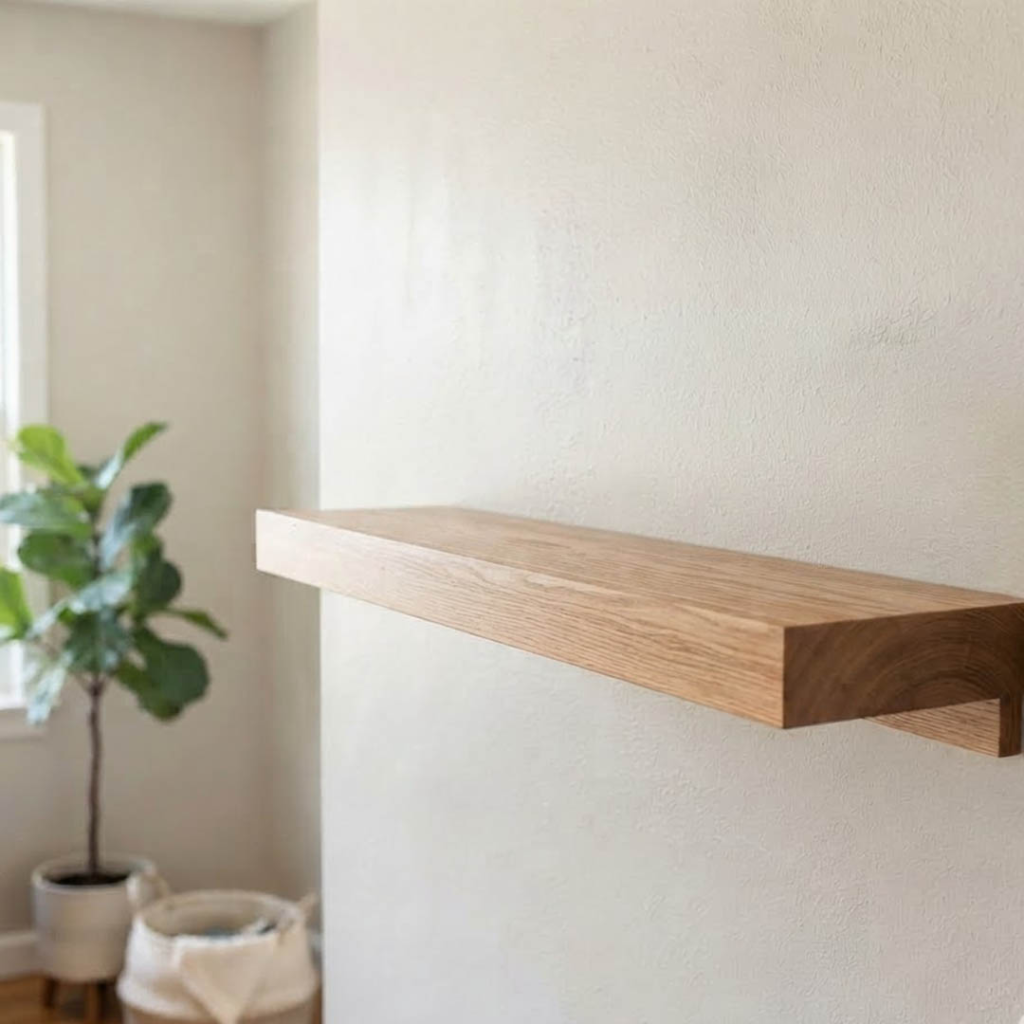
A single board, a cleat mounted to the wall, and a clean finish. Teaches you square cuts and finishing before you touch anything more complex.
Why start here: almost zero room for error, and you’ll have something usable on your wall the same afternoon.
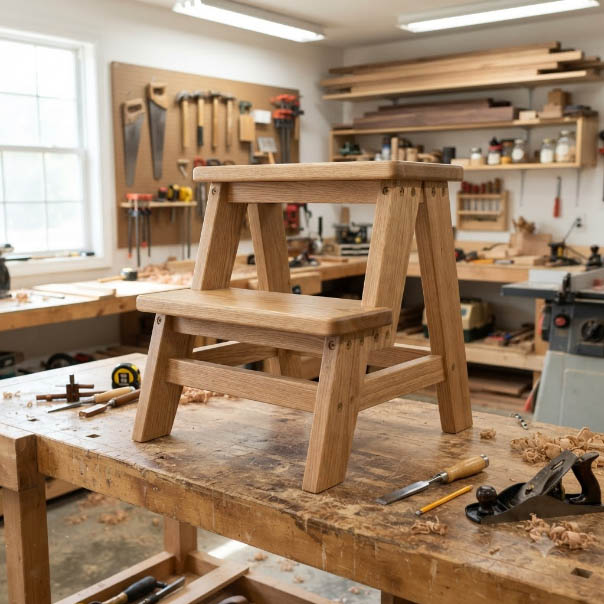
2. Step Stool
Butt joints · Half day
A basic step stool is just four legs, a top, and simple butt or pocket-hole joints. It’s sturdy enough to actually use and small enough that mistakes are cheap.
Why start here: introduces basic joinery and load-bearing construction without high stakes.
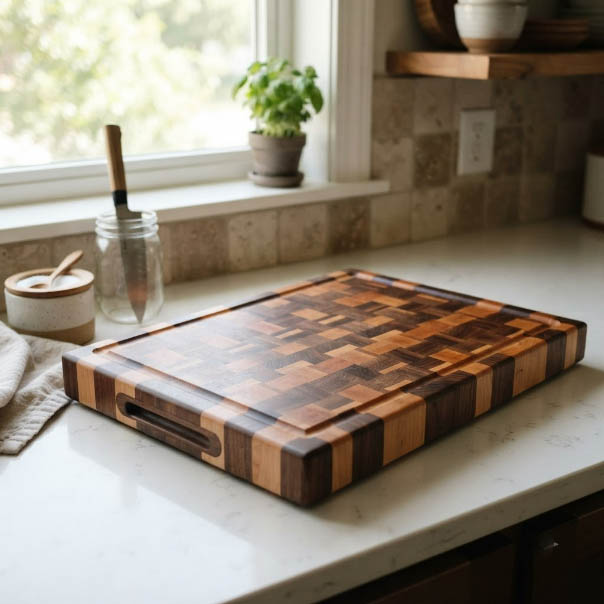
3. Cutting Board
Glue-up · Food-safe finish
Straight strips of hardwood, glued edge to edge, then sanded smooth. This is the classic first “glue-up” project and teaches clamping pressure and grain matching.
Why start here: makes a genuinely useful gift, and teaches glue-up technique you’ll reuse in every future project.
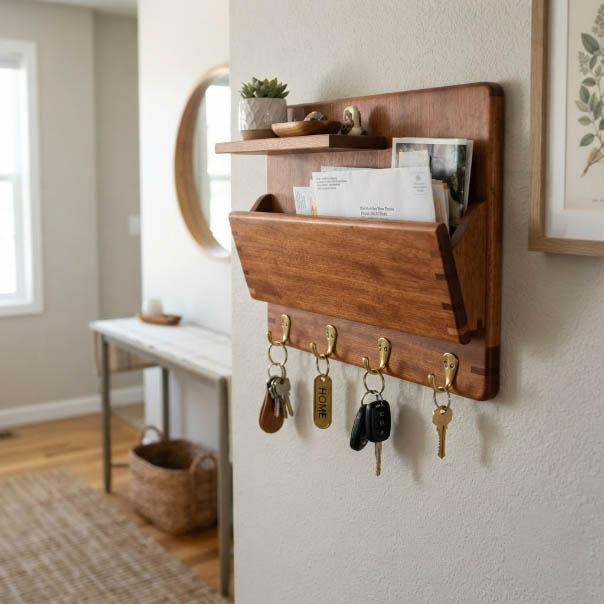
4. Wall-Mounted Key/Mail Organizer
Small hardware · 1 board
A backing board with a few hooks and a small shelf. Good project for practicing hardware installation — hooks, hinges, small screws — at low risk.
Why start here: introduces hardware fitting, which trips up a lot of beginners later on bigger pieces.
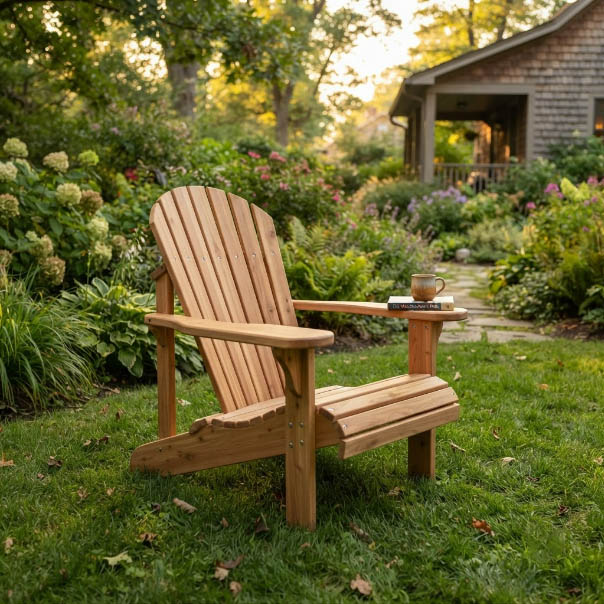
5. Adirondack Chair
Angled cuts · Weekend
More involved than the others here, but a well-tested plan breaks the angled cuts into a template you trace and repeat, rather than calculating each one yourself.
Why start here: your first “real furniture” win — a project people will actually notice and ask about.
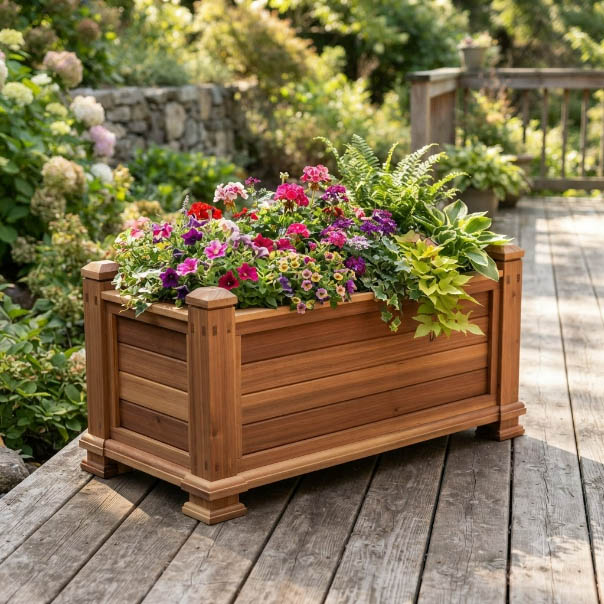
6. Planter Box
Outdoor · Simple box joinery
A basic rectangular box with drainage holes. Outdoor lumber and exterior screws matter more here than fancy joinery — a good intro to building for weather exposure.
Why start here: teaches outdoor material considerations before you build something bigger like a bench or shed.
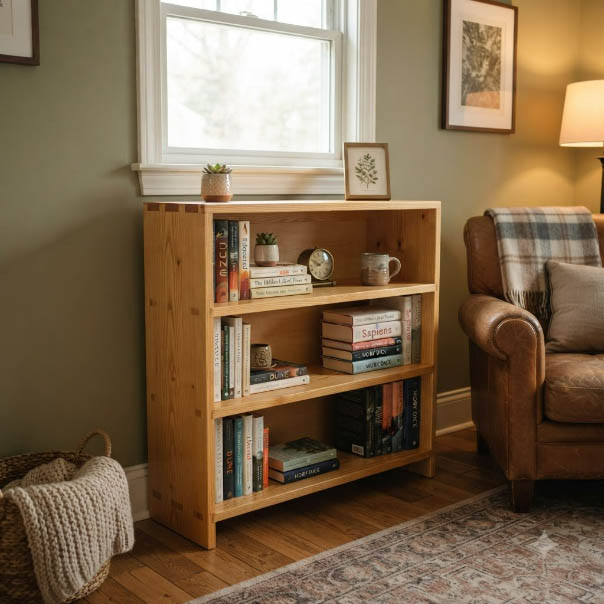
7. Small Bookshelf
Dado or pocket-hole · Weekend
A step up from the floating shelf — fixed sides, evenly spaced shelves, and your choice of joinery method depending on the tools you have.
Why start here: first project with multiple repeated parts that all need to match — a good precision check.
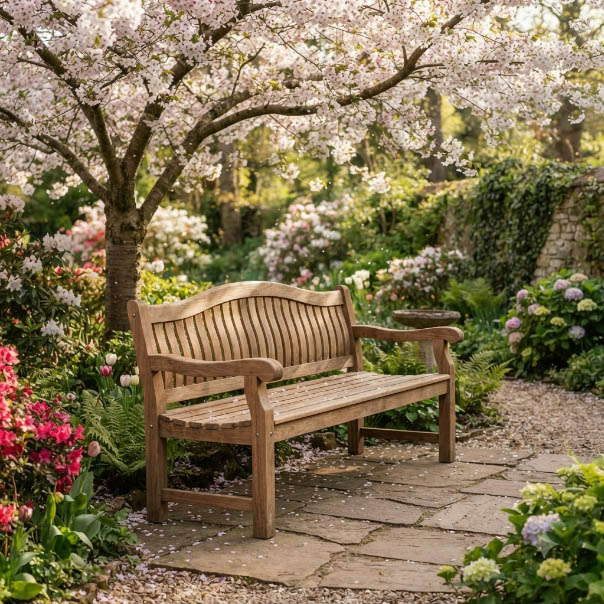
8. Garden Bench
Outdoor · Load-bearing
Combines the leg-and-frame skills from the step stool with the outdoor material lessons from the planter box, at a larger and more satisfying scale.
Why start here: a real test of whether your joinery can hold actual weight over time.
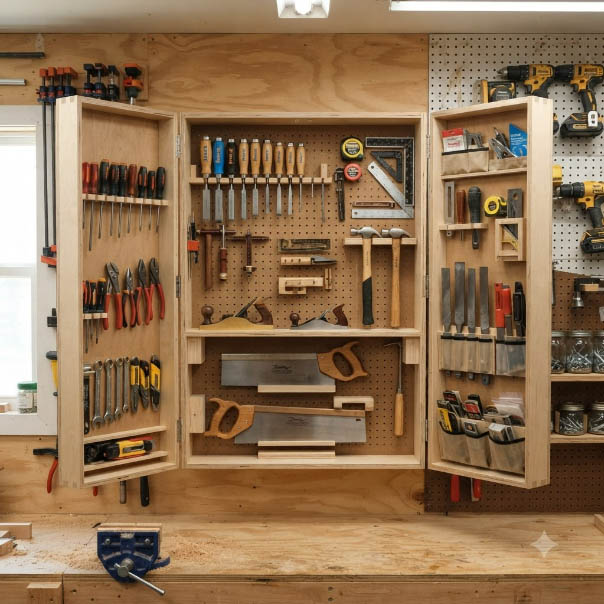
9. Wall-Mounted Tool Cabinet
Hinges · Small shop
A shallow cabinet with a door — introduces hinge alignment and door-fitting, two skills that show up constantly in furniture-scale builds later.
Why start here: hinges and doors are where a lot of intermediate projects go wrong; better to learn it small.
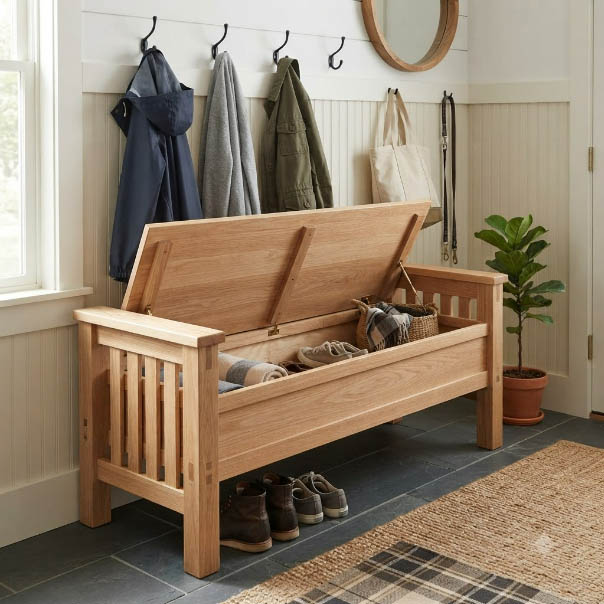
10. Storage Bench
Lid hinge · 2–3 weekends
Combines a box, a lid, hinges, and a supporting frame — effectively a capstone project that uses every skill from the builds above it.
Why start here: the natural “graduation” project before moving into full furniture builds like tables and cabinets.
Affiliate Disclosure: Wood Plan Studio is a participant in affiliate marketing programs, including ClickBank, designed to provide a means for this site to earn commissions by linking to products. If you click a link on this site and make a purchase, we may earn a commission at no additional cost to you. We only recommend products we believe may be useful to our readers.